 | |
Winter 2026 |
Newsletter Archive |
Weird and Wonderful Acoustics |  |
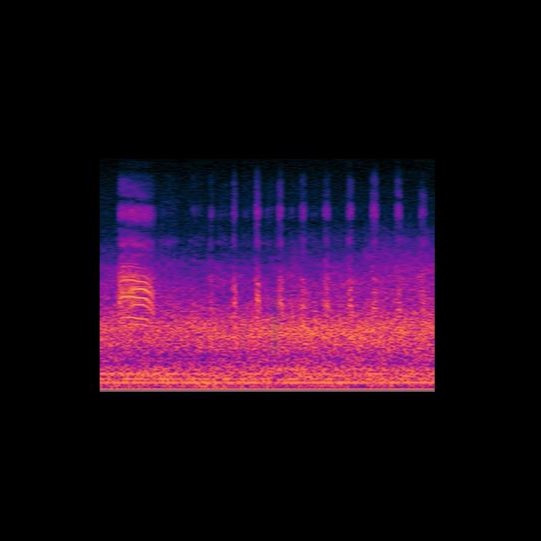
What do pronghorn sound like and what's a starling freestyle? This summer we deployed Acoustic Recording Units (ARUs) near the Trans-Canada Highway in Southern Alberta and Saskatchewan as part of biodiversity monitoring for the #PronghornXing project. With winter's arrival and the end of field season, we've started analyzing the acoustic data and have some very interesting and unexpected findings! What do pronghorn SOUND like? Lucky for you we caught some on our ARUs and created a spectrogram (a graph with time vs. audio frequency) so you can visually follow along with the recording, see the video from social media post from January 20th. The first sound is a nasal whine, followed by a series of huffing grunts called a snort wheeze. This is a territorial male competition call to warn interloper males away from the herd. Currently, pronghorn vocalizations are not well documented in open-source audio libraries such as Xeno-Canto and Macaulay, but our intention is to contribute these calls to the libraries for broader learning once our analysis is complete in 2026. Another unexpected audio finding is a "freestyling" Starling, flexing its mimicry abilities. Although this phenomenon is fairly common, it was a first for us in the Miistakis office, a European Starling flexing its mimicry abilities caught on our ARUs. In the clip you'll hear some background traffic noise and what sounds like the following list of birds, in order of appearance, but it’s a single starling! Check out our social media post from January 6 to hear the recording.
Starlings are known to sing in long bouts and can "freestyle" the mimicry components by interspersing different mimicked sounds across different bouts of song. They can also mimic human sounds like children laughing or stopwatch beeping. These "freestyle" mimicry sessions often end in the raspy starling (non-mimic) components, which can be heard at the end of the clip. This raspy or mechanical-sounding section and the slightly imperfect mimicry gives them away as a single bird and not many different birds. Stay tuned to our social media and newsletter for the release of the full Pronghorn Xing biodiversity monitoring results! Acoustic Analysis: A/Vian Eco Partners: Alberta Conservation Association and Canadian Wildlife Federation Thank you to our generous funders for supporting this work: | |